
Warning: How to Spot and Avoid SASSA SRD R370 Grant Scams
Because the SASSA Social Relief of Distress (SRD) R370 grant remains a vital lifeline for millions, it has also become a prime target for sophisticated scammers.
Scammers are targeting desperate SRD applicants by creating fake websites and social media pages to steal personal information and money. This guide explains the most common SRD scams, offers expert tips to spot them, and outlines the official steps to report fraud.
Common SRD Scams to Watch Out For
Fraudsters are constantly updating their tactics, but most SRD scams fall into a few key categories. Knowing how to spot them is your first line of defense
Fake phishing websites:
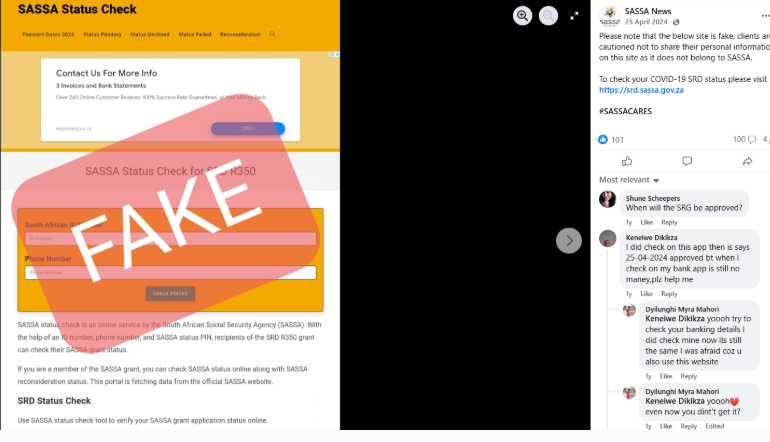
Scammers create websites that look almost exactly like the official SASSA page. They use slightly altered URLs (for example, “sassa-gov.co.za” instead of “sassa.gov.za”) to trick you. Once you enter your ID number and cellphone number, they steal this information for fraudulent use.
Facebook and WhatsApp scams:
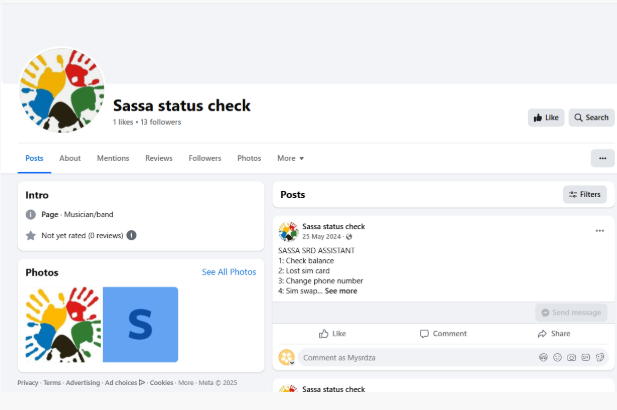
This is one of the most common methods. Scammers create Facebook pages or groups with names like “SASSA R370 Grant Approvals” or “SRD Instant Payments.” They post fake testimonials and urgent messages, often linking to a WhatsApp number.
- They promise guaranteed approval or claim they can “fix” a declined status in exchange for a small “administration fee.” SASSA does not charge any fees and does not use WhatsApp or Facebook for applications or case management.
Information theft through “status check” websites:
Many fraudulent websites disguise themselves as simple SRD status‑check portals. Although they may look harmless, their only purpose is to collect valid ID numbers and cellphone numbers. This information is then either sold or used in other identity‑theft schemes.
The Scale of the Problem: Statistics and Expert Analysis:
Grant fraud is not a small issue. Reports from the Auditor-General have previously highlighted major vulnerabilities in the system, with millions of Rand in SRD payments going to people who were not eligible — including government employees and individuals with other sources of income. This shows systemic weaknesses that scammers are quick to exploit.
According to digital financial crime analyst Jabu Ndlovu, the psychology behind these scams is simple but highly effective. “Scammers create a high‑pressure environment,” Ndlovu explains. “They use phrases like ‘Last Chance’, ‘Limited Slots’, or ‘Confirm Now to Avoid Cancellation’. This sense of urgency overrides a person’s natural skepticism, causing them to click links and share information without thinking. They sell false hope to those who are financially most vulnerable.
Your Personal Security Checklist: How to Protect Yourself
Follow these rules strictly to protect your SRD grant and personal information:
How to Protect Yourself from SRD Scams
Verify the website URL: Always make sure you are on the official SASSA website. Look for https://sassa.gov.za/ in your browser’s address bar. Be suspicious of any variations.
Never pay a fee: The SRD grant application and all related services are 100% free. Anyone asking for money to apply, appeal, or “speed up” your grant is a scammer.
SASSA does not use WhatsApp for applications: Official communication happens through the SASSA website and direct SMS messages that do not ask for personal details. Ignore any offers or messages sent via WhatsApp or Facebook Messenger.
Treat your information like cash: Your ID number and cellphone number are valuable. Do not share them on untrusted websites or social media platforms.
Be skeptical of “Guaranteed approval”:
No one can guarantee that your grant will be approved. Every application is checked against multiple government databases — a process that cannot be influenced by any third party.
How to Officially Report SRD Scams
If you come across a scam or have lost money, it’s essential to report it. This helps authorities track down these criminals and stop them from targeting others.
- SASSA Fraud Hotline: Report any suspicious activity or fraud directly to SASSA at 0800 60 10 11.
- South African Police Service (SAPS): Visit your nearest police station to open a fraud case. Provide them with screenshots, phone numbers, and any other evidence you have.
- Report Social Media Pages: Use Facebook’s “Report Page” feature to flag fake pages pretending to be SASSA. This helps get them removed more quickly.
By staying alert and relying only on official sources, you can ensure that your vital grant funds remain protected from those who try to exploit the system.